Lowering Prices in the Hair Salon Doesn't Solve Customer Decline

Lowering prices when the schedule is slow doesn't solve the underlying problem: it re-educates the client to perceive the discounted rate as the "real" price and always wait for the next offer before booking. The result is a contracted margin and loyalty linked to the promotion, not the salon or the brand.
Why Permanent Discounting Erodes the Business?
The answer lies in how the client learns to read the price. When the discount stops being a one-off exception and becomes the norm, the perceived value is recalibrated: the consumer stops considering the regular rate as the real price and starts treating the discounted one as the authentic one.
From that moment on, paying the full price is perceived almost as a mistake, and the client learns to wait for the next offer before booking again. The effect is twofold: the service margin contracts and loyalty weakens, because those who return do so for the promotion, not for the salon.
The Hidden Cost of Competing on Price
The damage of a discounting strategy doesn't appear on the first invoice, but in the business structure months later. According to V R B Management Consulting, between 20% and 25% of salons close every year, with excessive discounting often contributing to those closures.
A 20% discount may seem like a minor gesture, but applied to already tight margins, it makes the difference between reinvesting in the salon or simply surviving. Added to this is a reputational cost that is difficult to reverse: brand value takes years to build and, according to brand positioning analyses collected by Branding Strategy Insider, value perception can deteriorate much faster than it took to build, because the consumer bases their price reading on a relationship between cost and perceived benefit that a visible discount alters in a lasting way.
Can Prices Be Raised Without Losing Customers?
Yes, as long as the increase is accompanied by an understandable reason. The client doesn't refuse to pay more: they refuse to pay more without understanding why they are doing so.
The key lies in prior communication. Before touching the rate, it is advisable to reinforce what justifies it: the team's qualification, the technology of the products applied, and the traceability of each treatment. When the client perceives this consistency, a higher price is read as a sign of quality and not as an abuse.
💡 Communicate before raising: explain the specific improvement (a new active ingredient, certified training, a diagnostic protocol) at least one visit before applying the new rate, so that the change arrives already justified.
What a Value-Based Strategy Means
A value strategy is not about being expensive, but about building the client's willingness to pay for something they perceive as superior and difficult to find elsewhere. In practice, this shifts the conversation from "how much it costs" to "what it solves."
A coloring service, for example, is not sold as an hour of work, but as a predictable result and an experience that the client cannot replicate at home or find discounted in a marketplace.
Differentiation as an Asset That Discounting Cannot Replicate
Any competitor can match a discount within twenty-four hours. No one can copy a real specialization overnight.
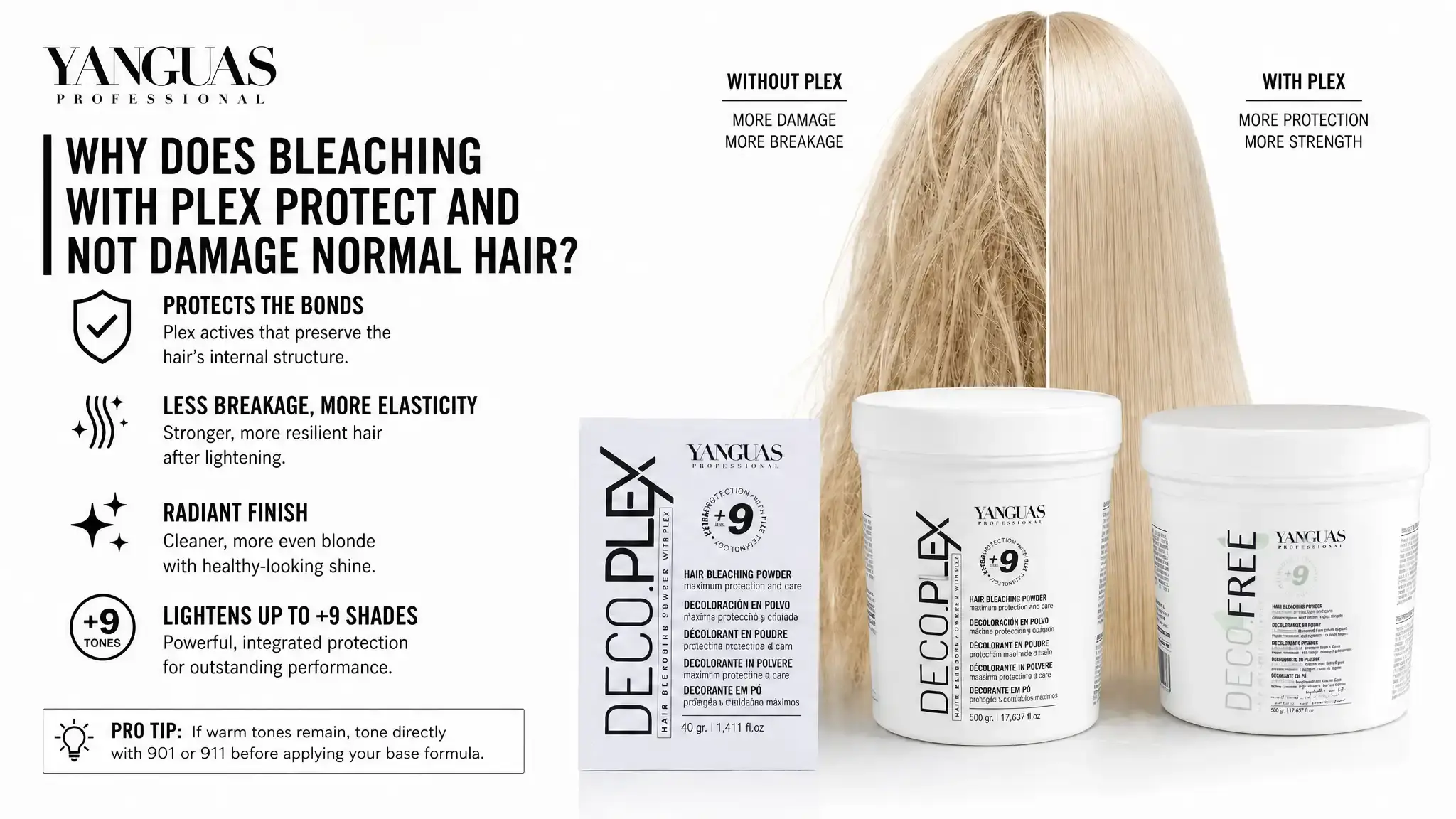
A niche worked with rigor (curly hair, technical ammonia-free coloring, advanced repair treatments) attracts the right client without the need to lower prices, because it competes in a field where the rate stops being the only argument. A fiber protection technology during the coloring process is exactly that type of argument: it is not replicated with a discount, it is replicated only with technical investment.
How Do You Know if the Value Strategy Is Working?
By reviewing a handful of specific indicators every six or twelve months, not day-to-day intuition.
- Margin per service or product family
- must remain stable or grow
- Average ticket
- its sustained rise indicates that perceived value accompanies the price
- Repurchase rate
- measures if the client returns for the service, not for the offer
- Customers returning without a promotion
- the higher the proportion, the less the business depends on discounting
If the average ticket rises, recurrence is maintained, and turnover depends less and less on promotions, the strategy is moving in the right direction. If, on the other hand, turnover only moves when there is a discount, it is advisable to correct the course before that habit becomes consolidated in the clientele.
The Distributor's Role in Protecting That Value
The distributor is not just a logistical point: they are the ones who protect or destroy the positioning of the brands they represent. An exclusive channel brand, absent from marketplaces and large stores, protects both the salon's margin and the final consumer's perception of value.
If those products end up in online discount circuits, the very asset the distributor sells to their clients is destroyed: exclusivity. That is why the incentives that work are not direct discounts, but packs, training, or exclusive services that reward loyalty without cheapening the product.